Enhance Your Home: Key Information On Residential Improvement Projects for Every Homeowner
Property owners frequently look for methods to enhance their living spaces through remodeling services. These projects can range from small kitchen fixes to entire residential overhauls. Knowing the choices accessible is vital for making sound choices. Furthermore, there exist practical considerations including financial planning and choosing the right builder. When property owners embark on this process, they might encounter unexpected challenges. The secret to a great renovation requires meticulous preparation and implementation. What steps should be taken next?
Knowing the Various Categories of Residential Renovation Work
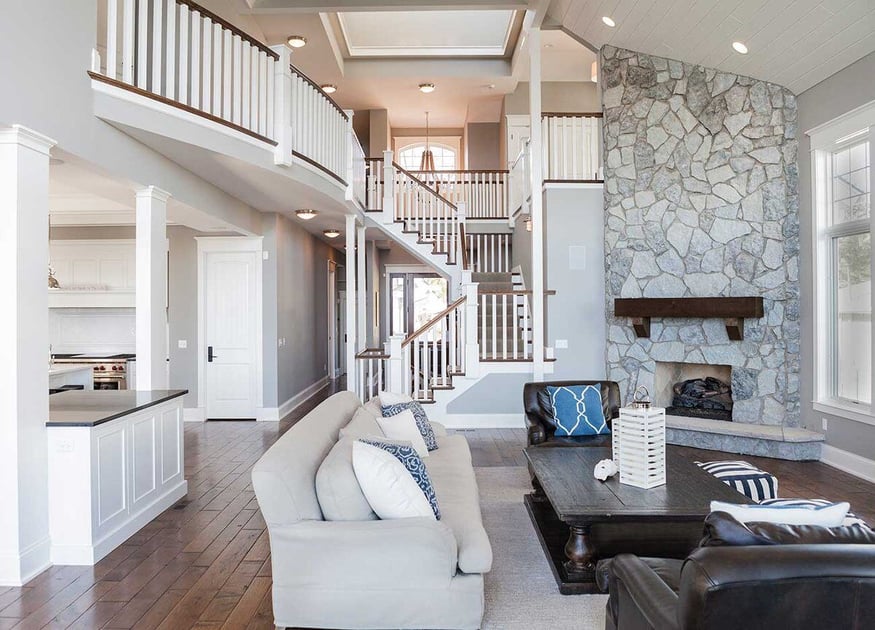
When property owners think about upgrading their living spaces, they often encounter numerous renovation options tailored to different needs and preferences. These services can be broadly categorized into a few distinct groups, each addressing specific aspects of house upgrades. Renovating the kitchen involves updating appliances, the cabinets, and layouts to enhance functionality and visual appeal. Bathroom upgrades generally mean upgrading fixtures, tiles, and shelving options for better convenience and visual flair.
Complete residential remodeling includes extensive modifications to the entire house, sometimes requiring major structural work to optimize space and flow. Outdoor renovation projects, conversely, concentrate on enhancing the property's street view, handling the exterior walls, the covering, and the garden design. Moreover, niche projects such as completing the basement and upgrading the attic allow homeowners to maximize unused areas. Every renovation category offers unique benefits, enabling homeowners to choose options that match their goals for their living environment. Understanding these distinctions is essential when making informed decisions during the renovation process.
Establishing a Practical Spending Plan for Your Remodeling Project
How can homeowners guarantee their remodeling projects remain within budget? Setting a practical budget is necessary. It is advisable for homeowners to begin by evaluating their financial capacity, including savings and potential financing options. This initial step helps establish how much can be allocated for the renovation without jeopardizing other monetary duties.
Afterward, those undertaking the remodel should research the costs associated with their desired renovations, including materials, labor, and surprise expenses that tend to crop up. Making an exhaustive list of needs will assist in distinguishing essentials from desirable features, making it possible to adjust if funds become limited.
It is prudent to set aside an emergency fund, generally 10-20% of the entire budget, to account for surprise expenditures. Regularly reviewing and adjusting the budget throughout the remodeling process can further assist in keeping finances in check. Finally, a thoroughly prepared budget does more than just confirm the project can be done but also enhances the overall remodeling experience for those living in the home.
Selecting the Appropriate Contractor for Your Needs.
Finding a suitable builder can significantly affect how well a renovation turns out. It is recommended that homeowners start by doing comprehensive research, looking for suggestions from acquaintances, relatives, or web feedback. It’s vital to verify credentials, including licenses, insurance, and bonding, to verify their standing.
Once potential contractors are identified, homeowners should request detailed estimates and timelines, allowing for informed comparisons. Meeting with them offers a look at their manner of communicating and their professional conduct, that are key to a cooperative effort.
In addition, looking at completed jobs through galleries or recommendations can reveal a contractor's quality of workmanship. Homeowners should also inquire about warranties or guarantees, indicating the builder's certainty about their services.
In the end, choosing a professional who matches the homeowner's goals, finances, and schedule fosters a more positive remodeling experience, guaranteeing that the project meets expectations and changes the space as intended.
Structuring and Laying Out Your Perfect Area.
As those renovating imagine their desired rooms, meticulous organization and deliberate design become essential components of a successful remodeling project. The beginning stage requires reviewing existing necessities and future desires, allowing for a thorough understanding of how the space will be used. Homeowners should consider functionality, aesthetics, and their individual taste, to guarantee the design showcases their distinctive choices.
Subsequently, establishing a thorough budget is crucial. This budget should cover materials, labor, and possible unexpected costs. Engaging with design professionals can provide valuable insights, helping to optimize the space while sticking to budgetary constraints.
Including features such as ample daylight, spacious designs, and sustainable materials can improve the final result. Lastly, seeing the project via drawings or computer models can assist in finalizing plans before starting the work. By approaching the planning and design phase with intention, homeowners can build a comfortable, effective space customized for their needs.
Understanding Regulations and Permits in House Renovation
Grasping the intricacies of permits and rules can be challenging for homeowners embarking on a renovation. Each municipality has specific rules that determine what is allowed during renovations, often influenced by area restrictions, building codes, and security requirements. Owners need to acquaint themselves with local regulations to prevent expensive penalties or project delays.
Generally, securing permits is essential for major changes, such as modifying load-bearing elements or electrical work. This process usually necessitates providing designs for copyrightination and might demand site visits at multiple points.
Engaging a knowledgeable contractor can streamline these steps, as they are typically experts in municipal rules and can aid in filing necessary forms. It is important for homeowners to communicate regularly with local building departments to ensure adherence throughout the project. By grasping and navigating these regulations, homeowners can fulfill their improvement aims while ensuring safety and legality in their renovations.
FAQs
How Much Time is Needed for a Typical Remodeling Job?

The average remodeling job typically spans between three to six months, contingent upon the extent of the project, size of the home, and background information material lead times. More involved renovations might need extra time for completion.
What are typical errors that people make while undertaking a remodel?
Typical pitfalls when renovating a home are things like underestimating budgets, not securing the required permissions, missing scheduled deadlines, failing to communicate effectively with contractors, and not considering long-term functionality. Knowing these potential problems often results in a more efficient, more positive renovation outcome.
What's the best way to select the best supplies for the job?
Selecting appropriate supplies means considering how long they will last, aesthetics, and financial limits. Looking into different products, getting expert advice, and considering maintenance needs are vital steps in reaching educated conclusions, making sure the renovation matches with personal and functional requirements.
Is it possible to stay in my house while the remodeling is happening?
It is possible to remain in the house during renovations, but it could be uncomfortable. Careful planning, clear communication with contractors, and creating defined spaces for daily use can lessen the stress while the work is underway.
What warranties should I expect from remodeling contractors?
You should anticipate receiving warranties covering workmanship, materials, and key building elements, typically ranging from one to ten years. It is essential to copyrightine the exact provisions with contractors to understand coverage and limitations fully.
Comments on “Quick Space Planning Steps”